Southern Europe took a brutal summer, and the effects are landing squarely on one of Italy’s most geographically constrained products. Parmigiano-Reggiano, produced exclusively across a handful of provinces in the Po Valley, is facing sustained pressure from heat and drought conditions that have hit the region harder than most. Unlike commodities with flexible supply chains, parmesan has nowhere to go. Its PDO status locks production to a specific area, which is exactly what makes it exceptional and exactly what makes it fragile right now.
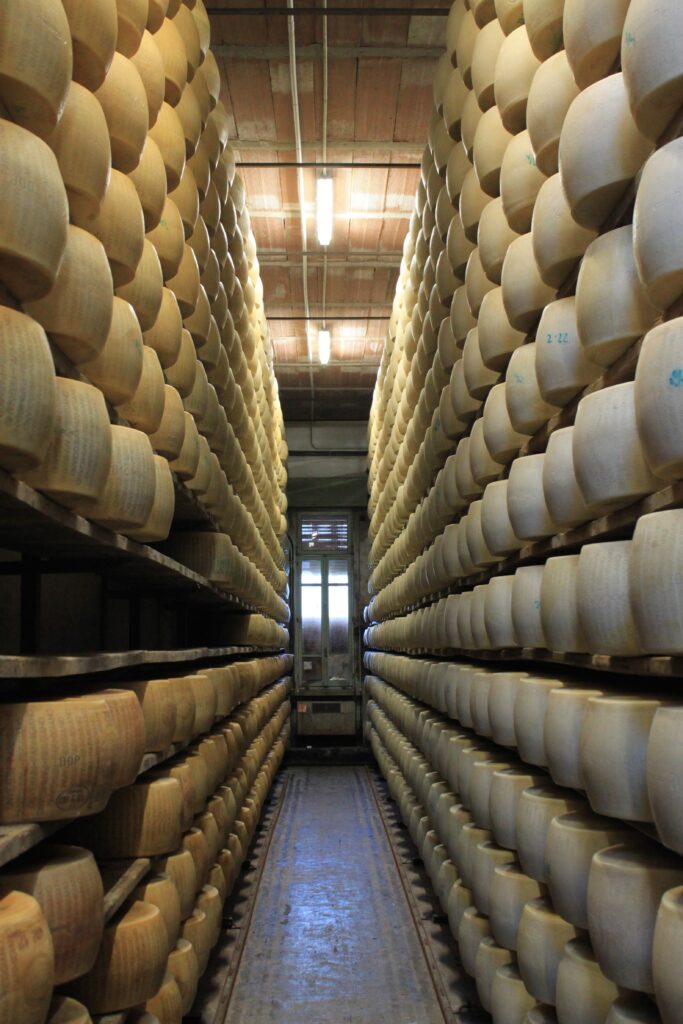
The problem isn’t just yield. High temperatures stress the dairy cattle that produce the milk, reducing output and altering fat and protein ratios. That has knock-on effects on the ageing process, which for Parmigiano-Reggiano runs anywhere from 12 to over 36 months. What producers are putting into caves today reflects the conditions of the past season, meaning the full impact of recent heatwaves won’t fully show up on buyers’ invoices for months yet.
For Nordic buyers and menu planners, this is worth building into procurement conversations now. Parmigiano-Reggiano already commands a premium, and category pressure on the supply side tends to move pricing faster than suppliers are always quick to flag. The cheese isn’t going anywhere, but allocations to favoured accounts tend to tighten before the broader market notices anything is wrong. Getting ahead of that conversation with your importers is straightforward risk management.
Sources: