Three signals from the European food production sector this week, and taken together they sketch a sector under real structural stress. A major German pig producer with up to 40,000 sows has been declared insolvent, citing what it described as a "historic price collapse" and severe losses on individual animals. That failure is the headline, but it is not the whole story.
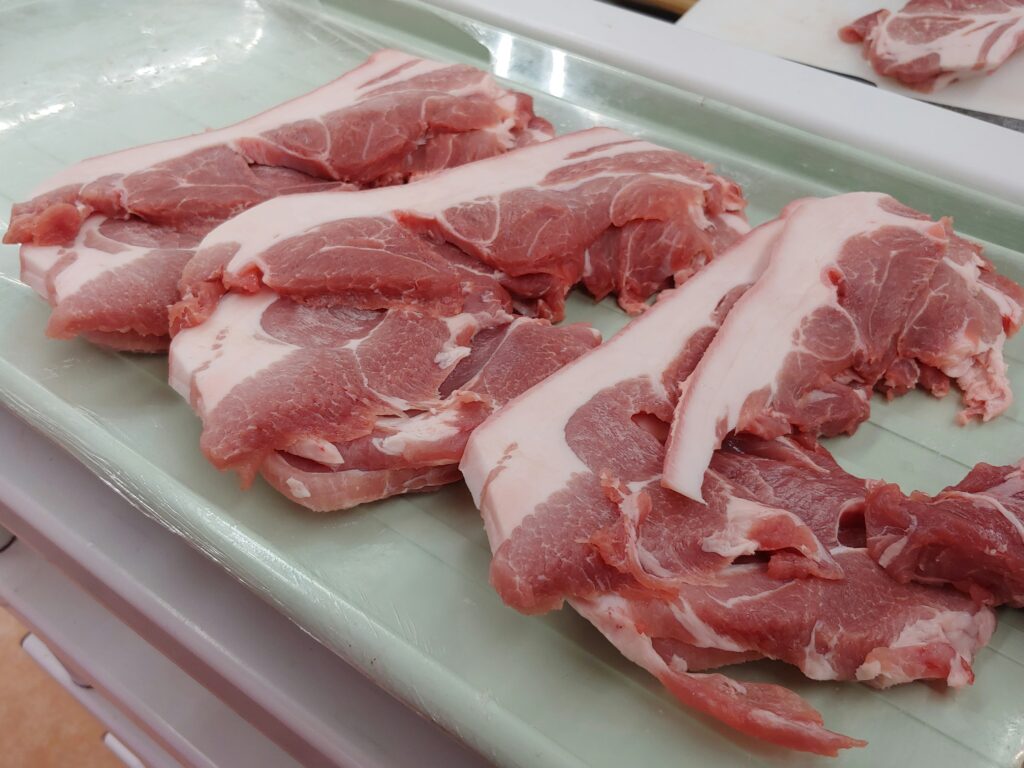
The wider pork market context makes the German insolvency look less like an isolated case and more like a warning shot. Across Europe, a massive oversupply of pork has driven farm-gate prices down sharply, and Danish retailers are now signalling that the floor has been reached. Both Coop and Salling Group have indicated that retail pork prices cannot fall much further, which is as close as a supermarket chain gets to admitting the situation is already extreme. Farmers, meanwhile, are absorbing losses with no clear timeline for a recovery in demand to match current production volumes.
Running alongside the pork story is a separate supply problem that will be familiar to anyone sourcing protein ingredients: a global whey shortage is tightening fast. Surging demand, constrained US production capacity, and the technical limitations of available alternatives are all compressing the market simultaneously. For food manufacturers relying on whey as a functional or nutritional ingredient, the options are limited and the cost pressures are moving in the opposite direction to pork, upward rather than down.
For Nordic operators in food production, manufacturing, or retail, the combination is awkward. Input costs for protein-based products are being pulled in two directions at once, and the insolvency of a producer of that scale in Germany is a reminder that margin compression across the supply chain has real consequences. A price floor in the supermarket aisle is cold comfort if the farms supplying it are structurally unprofitable.
Sources: