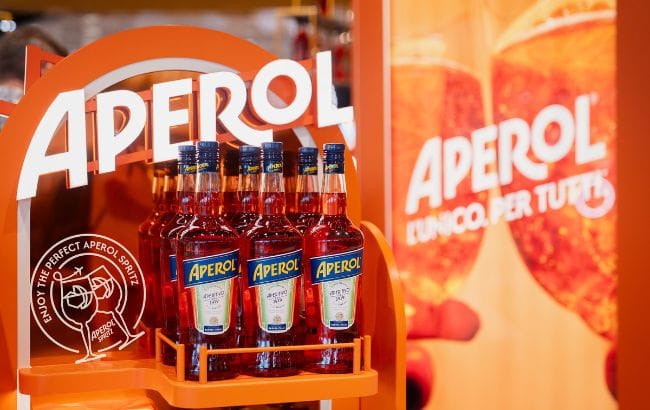
The first-half results season is delivering a picture that feels familiar: selective strength, careful pruning, and a renewed faith in premiumisation as the axis around which global spirits strategy turns. Campari Group posted H1 organic sales growth of 2.7%, driven notably by its apéritif portfolio, while simultaneously announcing it is exiting its agricole rum holdings. The headline divestment deal, agreed with Dublin-based Cobblestone Brands, sees Bisquit & Dubouché Cognac and Cabo Wabo Tequila leave the group. Two very different brands, but the logic is the same: Campari is tightening its focus and shedding what doesn't fit the core narrative.
Cobblestone Brands is a relatively quiet acquirer, but picking up both a cognac house and a well-established tequila brand in a single move is a significant step up. Cabo Wabo in particular carries name recognition built over decades, and Bisquit & Dubouché has been quietly producing solid liquid without ever quite finding its footing inside Campari's marketing priorities. Whether Cobblestone can do more with both than Campari was prepared to remains the open question, but the deal at minimum frees each brand from the shadow of a parent more interested in Aperol and Campari Bitter.
Cognac Finds Its Footing, India Runs Hot
While Campari is offloading cognac assets, Rémy Cointreau is drawing comfort from the category it has built its identity around. The group reported Q1 organic growth of 1.3%, modest on paper, but underpinned by cognac up 7.7% — a number that will feel meaningful to a company that has taken its share of US market pain over the past 18 months. It is too early to call a full recovery, but the direction of travel is encouraging, and Rémy's consistent bet on the high end of the cognac spectrum appears to be holding.
The most bullish numbers this reporting cycle come from a different geography entirely. Radico Khaitan, one of India's leading spirits producers, posted a 27.7% jump in profits for Q1 of its 2027 financial year, describing it as a record quarter and crediting premium brand momentum for the outperformance. India's domestic spirits market has been on a sustained upward trajectory, and Radico's results confirm that premiumisation is not just a Western positioning strategy — it is very much the engine driving growth in the world's largest whisky-consuming nation.
On the Trade Floor
Away from the financials, two brand moves worth tracking. Ron Matusalem has created a limited edition rum exclusively for the St Regis Cap Cana Resort in the Dominican Republic, a small-batch, destination-specific collaboration that reflects how luxury hospitality and premium spirits continue to find common ground. The on-property exclusive is a well-worn format, but Ron Matusalem's family-owned identity gives it a credibility that a corporate label-swap wouldn't carry.
Meanwhile, Caffè Borghetti — Fratelli Branca's espresso liqueur — has relaunched its Espresso Martini Challenge, calling on UK bartenders to reimagine the drink. The Espresso Martini remains one of the most-ordered cocktails in Britain, which makes it simultaneously a commercial opportunity and a creative challenge for anyone trying to find something new to say about it. Borghetti's play is smart: put the brief in front of bartenders rather than brand ambassadors, and let the trade own the reinvention.
Sources: